
The Myth of the Death Wish
The Pale HorseThe supposed unconscious desire for death begins as Thyrza’s theory, becomes a frightening interpretation of Ginger’s illness, and is finally displaced by poisoning.
increasing Bearing strength in each event
 decreasing
Bearing strength in each eventdecreasingOliver’s Question
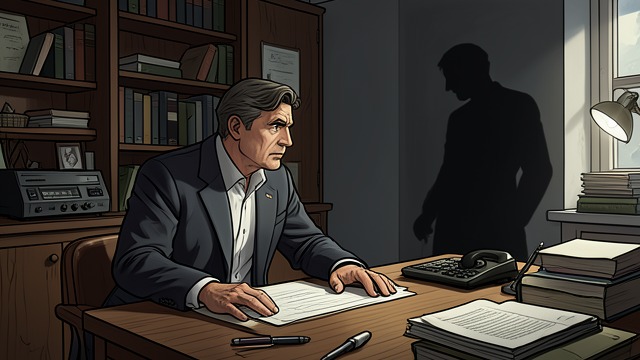
Suggestion as a Possibility
An Uneasy Hypothesis
Ariadne Oliver asks whether someone might be killed by remote control through black magic. Mark answers that suggestion can sometimes explain a victim’s response to a death prediction.
Their conversation sets a rational frame around an extraordinary claim, but neither can settle where suggestion ends and physical harm begins. The question returns in a more dangerous form later.
Thyrza’s Explanation
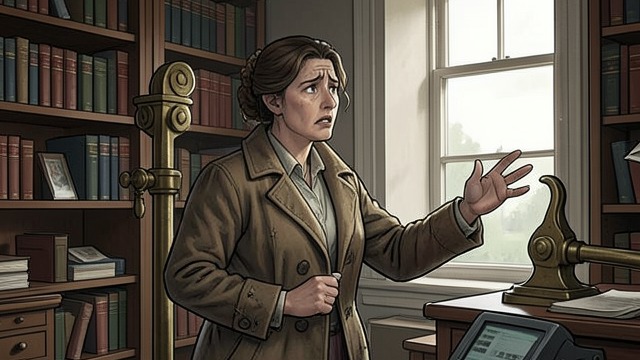
A Theory of Inner Desire
Death Through the Mind
Thyrza claims that every person has a latent wish for death and that it can be stimulated until the body develops a fatal illness. She invokes traumatic illness and psychological knowledge to make the idea sound contemporary.
Mark sees no reliable evidence for her claim, yet he is disturbed by the possibility that the mind could affect the body. The theory becomes the intellectual lure of the Pale Horse.
The Séance Reinforces the Theory
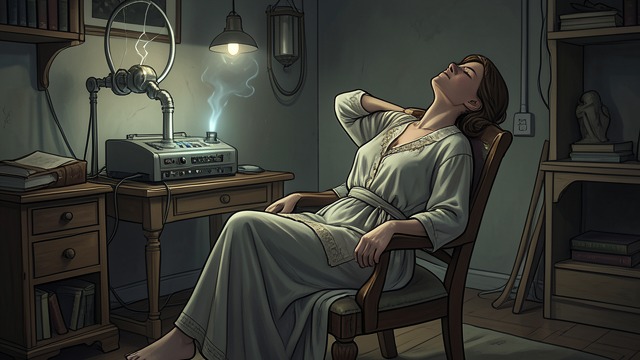
Command and Performance
Words About the Body
Thyrza tells Sybil’s entranced figure to move toward death, speaking of bodily tissues and natural illness. The machine hums while Bella’s sacrifice intensifies the atmosphere.
Mark interprets the scene as a possible operation on the mind, even though he cannot identify any actual mechanism. The ritual turns abstract theory into an emotionally convincing threat.
Ginger’s Illness Seems to Confirm It
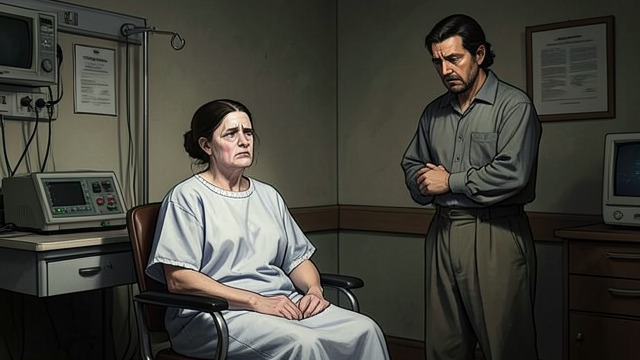
Evidence Feels Personal
Fear Alters Judgment
Ginger becomes ill after the ceremony, and Mark fears that Thyrza’s supposed power has taken effect. The symptoms fit familiar disease categories, but their timing makes the death-wish theory difficult to dismiss emotionally.
Mrs Dane Calthrop insists that the illness must be confronted as evidence, while Mark wishes it were an ordinary cold. The conflict reveals how fear can shape the interpretation of ambiguous symptoms.
The Material Cause
Suggestion Gives Way to Poison
A Testable Explanation
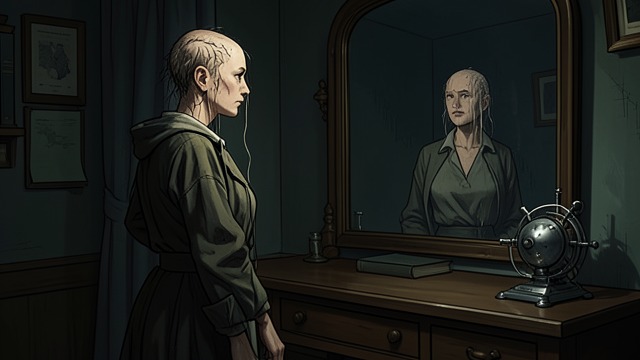
The recurring loss of hair points Mark toward thallium, a poison that can produce varied illnesses and misleading diagnoses. Ginger’s condition is real, but it is not evidence that a hidden death wish has created disease.
The discovery does not deny that suggestion can affect people; it shows that the Pale Horse’s specific claims were designed to misdirect. The body was attacked by a chemical agent.
During her conversation with Mark early in the story
During Mark’s first extended talk with Thyrza
During Thyrza’s ritual for the supposed victim
When Ginger reports fever and aches
After Mark recognizes the significance of hair loss
